



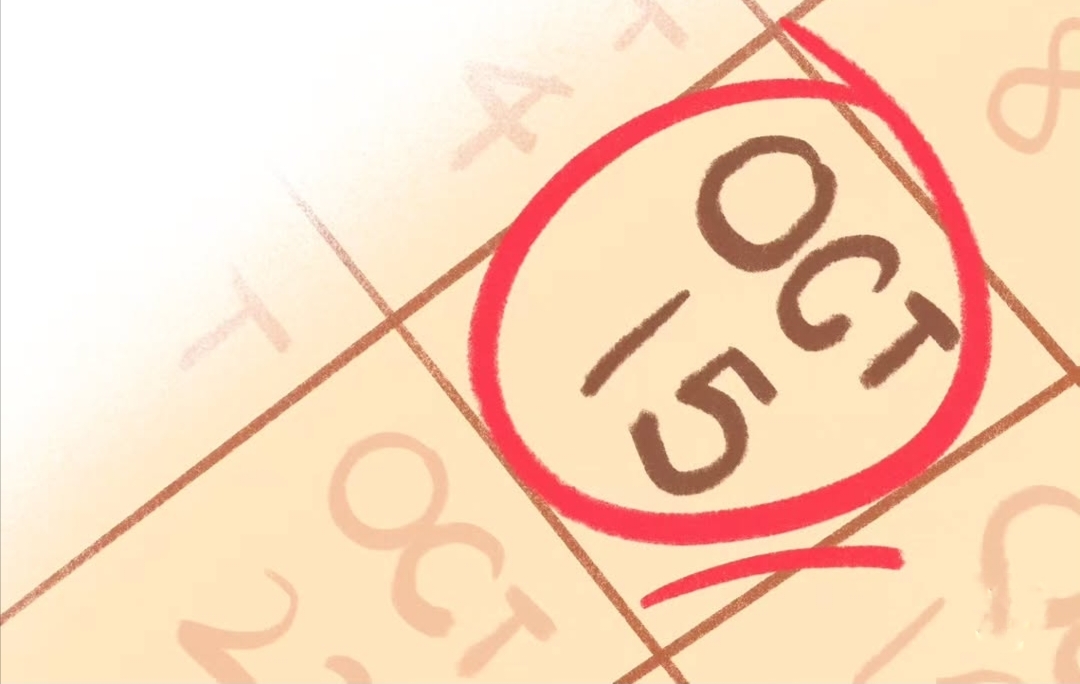
That little QR code at your local petrol pump or kirana store has quietly powered India’s digital revolution for years. But starting 15th October, the economics behind it are shifting. The government has reintroduced the Merchant Discount Rate (MDR) on UPI transactions, applying a 0.4% charge to payments over ₹2,000 made to merchants. If you hold stocks in the fintech or banking space, this isn’t just about a few paise per transaction—it’s a development you cannot ignore.
1. What Just Happened?
Starting 15th October, UPI transactions above ₹2,000 to merchants will attract an MDR of 0.4%. The catch? This does not apply to person-to-person (P2P) transfers. If you’re sending money to a friend or family member, it remains completely free. The charges are strictly meant for merchants and businesses, not the payer or buyer. The government has also mandated that no UPI app can charge platform fees from users for making UPI payments.
2. The Numbers
Here is the hard data on what’s changing:
- P2M UPI Transactions (> ₹2,000): 0.4% MDR, capped at a maximum of ₹300 per transaction.
- Mutual Funds & Stock Investments: 0.02% MDR, capped at ₹300 per transaction.
- Small Merchants (< ₹1 Lakh/month): No Charge
- SIPs via UPI Autopay: No Charge
- P2P (Person-to-Person): No Charge
Special Category: For specific categories like train tickets, insurance premiums, fuel stations, phone bills, and agricultural inputs, a flat MDR of ₹5 will apply for payments over ₹2,000.
3. Why Is This Happening?
For years, UPI has been the crown jewel of India’s digital public infrastructure—but it’s been running on a subsidy model. Banks and payment aggregators have been absorbing the cost of processing billions of transactions. The reintroduction of MDR is a pragmatic move to make the system sustainable. By charging merchants a small fee, the government is ensuring that the infrastructure that powers India’s digital economy can fund its own maintenance and growth. It’s also a signal that UPI has reached a scale where it can stand on its own two feet without being entirely dependent on government subsidies.
4. The Bigger Story
This is part of a broader global trend: the monetization of digital public infrastructure. For years, India’s UPI was a loss-leader for banks and fintechs. The user acquisition was massive, but the revenue was zero. Now, as the platform matures, the ecosystem is shifting from "growth at all costs" to "sustainable unit economics." This mirrors what we saw with credit cards decades ago. Initially, they were a novelty; today, they are a profitable business. UPI is now entering its "profitability" phase. The question is: who captures that value—the banks, the fintechs, or the merchants?
5. The Companies to Watch
(Note: This is not investment advice or recommendations. Always do your own research.)
- Payment Aggregators: Companies like Razorpay, Pine Labs, and PayU will be directly impacted. A 0.4% MDR on high-value transactions changes their revenue math significantly.
- Fintech Apps: PhonePe, Google Pay, and Paytm. While they cannot charge users, they may now earn a share of the MDR from merchants.
- Banks: HDFC Bank, ICICI Bank, and SBI. They process the transactions and will now earn a small fee on the merchant side.
- Merchants: Large retail chains, fuel stations, and e-commerce platforms will now face a marginal cost for accepting UPI payments.
6. What Could Go Right?
- Revenue Boost for Fintechs: Payment aggregators finally get a revenue stream from UPI, making their businesses more sustainable and attractive to investors.
- Improved Infrastructure: The money from MDR could be reinvested into making UPI faster, more reliable, and more secure.
- Formalization of Small Businesses: Small merchants under ₹1 lakh per month are exempt, encouraging more small businesses to adopt UPI without fear of costs.
7. What Could Go Wrong?
- Merchant Pushback: Merchants may start discouraging UPI payments for transactions above ₹2,000, asking customers to pay in cash or use other methods.
- Confusion: The distinction between P2M and P2P, the different rates, and the exemptions could confuse users and merchants alike.
- Double Charging: There is a risk that some merchants might pass on the MDR cost to the customer, despite the government's mandate that users cannot be charged.
- Adoption Slowdown: If merchants feel penalized for accepting digital payments, it could slow down the pace of digital adoption in rural and semi-urban India.
8. What Investors Should Watch Next
- October 15th: The official implementation date. Watch for any last-minute amendments or clarifications.
- Q3 Earnings Calls: Listen to commentary from payment aggregators and banks on how MDR is impacting their margins.
- Merchant Adoption Rates: Track whether small merchants continue to adopt UPI at the same pace, or if there is a slowdown.
- Competitor Moves: Watch if other payment methods (like credit cards or wallets) try to capitalize on this shift.
9. The TickerPulse Takeaway
UPI is no longer just a free convenience—it’s becoming a real business. The 0.4% MDR is small, but its implications are massive. It signals that India’s digital payments ecosystem is maturing. For investors, the opportunity lies in companies that can capture this new revenue stream without alienating merchants. For consumers, the good news is that sending money to friends remains free. But for businesses, the era of completely free digital payments is officially over.