



This past week was a whirlwind for the financial world. From a massive AI infrastructure bill to a historic index reshuffle and record-breaking fundraising, several major developments will shape the markets for months to come. Here is the breakdown of what happened, why it matters, and what investors should be watching.
The AI Boom Comes With a Massive Bill
AI is growing at an incredible pace, but so is the cost of building it. On 28th September, AI giant Anthropic disclosed nearly $518 billion in long-term infrastructure commitments.
The kicker? The company is still reporting heavy operating losses. This is a crucial reality check for the AI trade. The growth is massive, but the capital expenditure required to sustain it is astronomical. Investors need to ask themselves: how long will it take for these massive investments to translate into actual, sustainable profits? The AI arms race is expensive, and not everyone will win it.
BSE's Historic Entry Into the Nifty 50
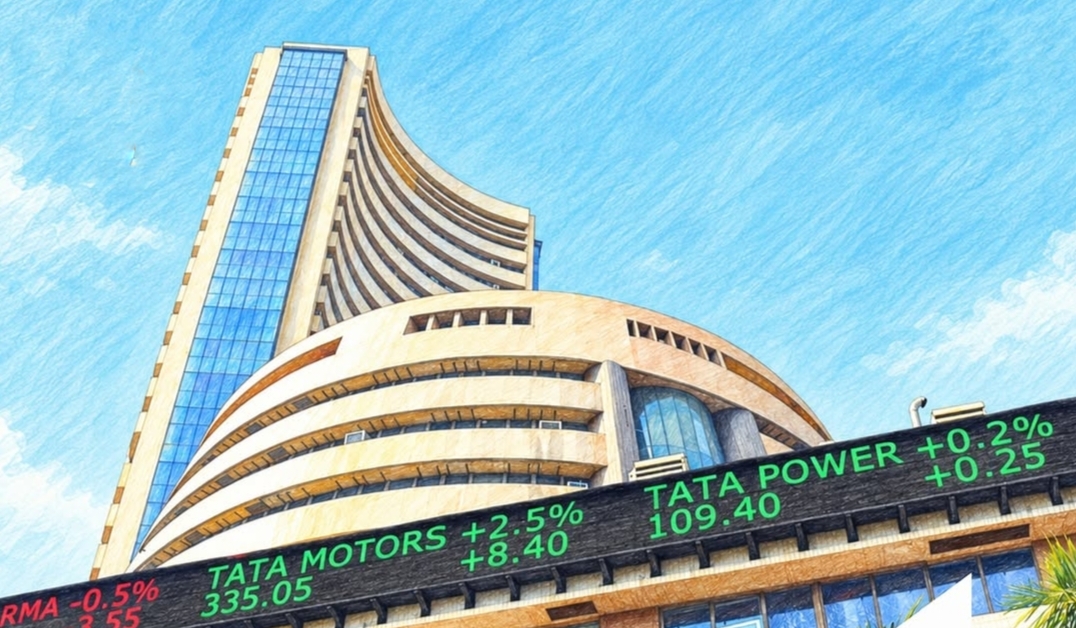
In a major shakeup, BSE replaced Wipro in India's benchmark Nifty 50 index, effective 30th September.
For BSE, this is a monumental achievement. The exchange now sits inside the very benchmark it helps power. But the impact goes beyond just prestige. This change means that index funds and ETFs tracking the Nifty 50 are now forced to rebalance their portfolios. They will have to sell Wipro shares and buy BSE shares to mirror the new index composition. This creates immediate buying pressure for BSE and selling pressure for Wipro—a classic "index inclusion" trade that savvy investors watch closely.
India's Record-Breaking Equity Fundraising
Despite market volatility, Indian companies are raising capital at an unprecedented pace. On 1st October, data revealed that companies raised around ₹2.43 lakh crore in H1 FY27, a staggering 75% increase year-on-year.
This tells a powerful story: market volatility is not stopping companies from raising fresh capital. In fact, they are rushing to take advantage of the liquidity and investor appetite. This surge in fundraising signals confidence from both companies and investors, even as global uncertainty looms.
RBI Eases the Rules for Bank Ownership
In a significant regulatory shift, the RBI has eased bank ownership rules. As of 1st October, eligible mutual funds, insurers, and pension funds can now get one-time approval for bank holdings up to 10%.
This simplifies the process for repeated stake purchases. Previously, these institutions had to seek approval for every incremental increase in their holdings. Now, they have a clearer path to accumulating larger stakes in banks. This move is expected to attract more long-term institutional capital into the banking sector, providing stability and potentially boosting valuations for well-run banks.
The US Bond Yield Warning
Finally, on 1st October, the US 10-year Treasury yield crossed 5.3%, hitting a 24-year high.
This is a flashing red signal for global markets. Higher bond yields mean more expensive borrowing for companies and consumers. But more importantly, they make bonds more attractive relative to equities. When bond yields rise, other asset prices feel the pressure. This is a critical macro trend to watch—it could lead to capital outflows from emerging markets like India and pressure high-valuation stocks.
The Takeaway
This week showed us that the financial landscape is shifting on multiple fronts. AI is booming but burning cash. Index composition is changing. Companies are raising record capital. Regulators are adapting. And global bond yields are climbing.
For investors, the message is clear: stay informed, stay diversified, and watch the macro signals. The opportunities are there, but so are the risks.